A DFW & Austin 2025 Homeowner Guide
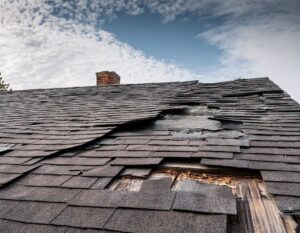
After every big hail or wind event in Texas—like the multi‑billion‑dollar DFW hail sequences in June 2023 or the softball‑size hail that pounded North Austin/Round Rock on Sept. 24, 2023—rooftops aren’t the only things swarming neighborhoods. So are “storm chasers”: transient contractor crews that appear overnight, pressure homeowners at the door, and disappear as quickly as they arrived. Consumer regulators say some of these operators skirt Texas law and leave families with poor workmanship, unpaid deductibles (illegally), or no work at all.
Why Texas? A Perfect Storm for Bad Actors
Texas is both densely populated in its metros and among the nation’s most hail‑active states. When one week of DFW storms can tally $7–$10 billion in insured losses—with hail responsible for ~95%—tens of thousands of claims are filed at once. That surge invites opportunists to canvass neighborhoods promising “free inspections,” instant approvals, and “we’ll pay your deductible.” The risk is just as real around Austin, where the Round Rock/North Austin supercell alone produced an estimated $600 million in damages.
What Counts as a “Storm Chaser”?
“Storm chaser” isn’t a legal term. Regulators, BBB, and roofing trade groups generally use it to describe out‑of‑area companies (or pop‑up crews) that flood disaster zones, solicit door‑to‑door, and often fail to meet local permitting, insurance, or Texas‑specific legal rules. BBB warns that many of these outfits pitch “free roof inspections” and pressure fast signatures before homeowners have vetted the business.
Key patterns to watch: high‑pressure sales at the door, vague or rapidly changing business names, out‑of‑state plates/phone numbers, requests for large upfront payment, or promises to “cover your deductible.”
Texas Law: Rules Homeowners Should Know
1) It is illegal for roofers to waive your deductible.
Texas House Bill 2102 (2019) created Insurance Code Chapter 707 with crystal‑clear language: contractors may not pay, waive, rebate, credit, absorb, or otherwise help a homeowner avoid paying the policy deductible. Contracts ≥$1,000 that will be paid from insurance proceeds must also include a bold 12‑point consumer notice about deductibles. Insurers may even withhold replacement cost payment until they receive proof you paid your deductible.
TDI reiterates this: “No—contractors can’t waive your deductible.” If someone offers to do so, that’s a red flag; report it.
2) Contractors can’t act as your insurance adjuster on the same job.
Texas bars a roofer/contractor from acting as a public insurance adjuster on claims related to work they are performing. TDI’s 2025 consumer page and 2024 bulletin tell Texans to be wary of anyone offering to negotiate your claim or handle settlement discussions as part of a roofing contract. That is restricted activity.
Bottom line: If a salesperson promises “we’ll get your roof approved, waive the deductible, and handle the claim for you,” you’ve likely encountered multiple violations in one pitch.
DFW & Austin: Door‑to‑Door Rules You Can Actually Check
Many Texas cities require door‑to‑door solicitor permits or restrict solicitation hours. In Dallas, the police department outlines Home Solicitation rules; in Fort Worth, the city requires a Door‑to‑Door registration with a permit that must be shown upon request. Pflugerville (north of Austin) and Georgetown require visible permits for solicitors as well. Ask to see the permit at your door. If they don’t have one, don’t engage.
The BBB echoes this: unsolicited offers after storms demand extra scrutiny, and homeowners should verify a contractor before signing anything.
Common Storm‑Chaser Tactics
“Free inspection—sign here first.”
Some push a “contingency” or “direction to proceed” form that limits your options or acts like an assignment of benefits. Don’t sign anything until you’ve researched the company and confirmed basic legal compliance (Texas deductible law; adjuster rule; local permit).
“We can do it for your deductible” or “no out‑of‑pocket.”
That’s an illegal pitch in Texas. Photograph the door flyer or text and report it to TDI/OAG.
“We’ll handle the claim with your insurer.”
A roofer negotiating your claim is restricted activity in Texas; you or a licensed adjuster represents you—not the contractor doing the work.
Large up‑front payments or cash only.
TDI warns against paying in full up front; use staged payments after work milestones. BBB guidance recommends multiple estimates and everything in writing.
No local presence or permit.
Check city permit rules (Dallas/Fort Worth/Pflugerville/Georgetown) and look for a Texas
What Reputable Texas Roofers Will (and Won’t) Do
A legitimate contractor will not offer to waive deductibles, not negotiate your claim, and will document damage, scope the work, and explain code items and materials. Many established Texas firms also participate in RCAT’s voluntary licensing program, which helps homeowners identify contractors who meet experience, testing, and insurance standards (note: Texas has no mandatory state roofing license).
Wortham Bros Roofing: Local, Established, and Built for Texas Storm Seasons
For Texans who prefer a proven local contractor, Wortham Bros Roofing has operated continuously in Texas since 1986, with 125,000+ installations and active storm‑response teams serving DFW and Austin (including Round Rock, Georgetown, Pflugerville, and Hutto). Wortham Bros provides hail & storm damage repair, 24/7 emergency response, and end‑to‑end project management that stays within Texas law: no deductible waivers and no claims adjusting.
What homeowners can expect:
- Rapid triage & tarping to prevent further loss after hail/wind.
- A clear, written scope (materials, ventilation upgrades, code items, edge metals) and staged payment terms.
- Guidance on policy basics (e.g., you pay the deductible; ask your insurer about any Class 4 credits but get the facts in writing).
- Local accountability—brick‑and‑mortar presence in DFW and Austin, not a truck that vanishes when the next storm hits elsewhere.
The Takeaway for Texas Homeowners
Storm‑chaser content on the web is often generic. What makes this Texas‑specific: (1) a bright‑line deductible law, (2) strict limits on contractors acting as adjusters, and (3) municipal permit rules that give you leverage at the door. Pair those protections with thorough vetting and staged payments, and you’ll avoid the most common post‑storm pitfalls.
For DFW and Austin residents who prefer a long‑standing local partner, Wortham Bros Roofing brings 38+ years in Texas and deep storm‑response experience across the exact communities most frequently hit. When a hail core passes and the doorbell rings, you don’t need to open the door to a stranger—you can call a Texas contractor who’s been here since 1986 and will still be here when the next season starts.