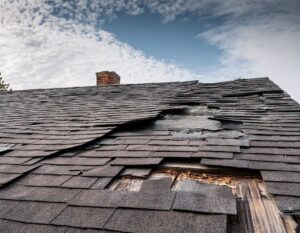
A data‑driven resource for Dallas–Fort Worth and Austin homeowners
Why This Matters Now
Texas has led the nation in major hail events for a decade straight, and 2025 shows no sign of dropping the crown. That reality is more than a talking point—it shapes roof design choices, insurance terms, and the timing of maintenance across the state’s fastest‑growing metros. This guide pulls together trusted, mappable data (FEMA’s National Risk Index), event records (NOAA/NWS), and recent reporting to help DFW and Austin homeowners understand their relative hail exposure—and what to do about it.
How to Read “Texas Hail Risk”
- FEMA National Risk Index (NRI) compiles a county‑level Hail Risk Index and Expected Annual Loss using NOAA severe weather reports and exposure (people, buildings, agriculture). On the map, warmer colors (yellow→orange→red) indicate higher relative hail risk compared with the U.S. overall. Use it to get a baseline sense of your county’s risk and to compare neighbors.
- NOAA Storm Events Database provides the who/what/when of hail in your county from 1950 to present, including hail size, narratives, and damage. Use it to explore local storm history and seasonality.
- Recent media analyses of NOAA data help spotlight where large‑hail (≥2″) days cluster—useful for prioritizing impact‑resistant assemblies.
Hail size reference: NWS Fort Worth’s chart equates 1.00″ to “quarter,” 1.75″ to “golf ball,” 2.75″ to “baseball,” 4.00″ to “grapefruit,” and 4.50″ to “softball.” That’s a quick way to translate warnings into potential roof impact.
The Texas pattern at a glance
- Texas is No. 1 for major hail—again. Industry and research groups put Texas at the top nationally for the most significant hail events through 2024 and into 2025.
- 2023 was an outlier for big hail. Independent analyses of CoreLogic’s 2023 data found 10+ million U.S. homes impacted by ≥1″ hail, with Texas leading the state counts; DFW and Austin were specifically named among metro areas hit repeatedly.
- Seasonality: Peak severe weather is spring into early summer (especially May). Hail and tornado reports drop sharply by mid‑to‑late June as ridging sets up—but early June can still be active.
DFW: The Heart of the Hail Belt
The Dallas–Fort Worth metroplex sits squarely in a high‑exposure corridor. Since 2000, Tarrant County (Fort Worth) ranks near the very top of all Texas counties for days with severe hail (≥1″), and Denton County ties for the state lead in ≥2″ hail days. In practical terms: dense roofs + frequent large hail = outsized loss potential.
- June 2023 DFW sequence: A run of severe storms dropped golf‑ball to softball hail across North Texas, driving $7–$10 billion in insured losses—about 95% from hail—making it one of the costliest U.S. hail episodes on record.
Homeowner takeaway (DFW): Plan for impact‑resistant roof assemblies as the standard, not the upgrade; keep gutters/downspouts, skylight flashings, and ridge/hip caps on your post‑storm inspection checklist.
Austin & the I‑35 Arc
Fewer Events, but High‑Impact Outliers
While Central Texas records fewer hail days than North/West Texas, Austin and the Williamson–Travis corridor have seen high‑impact supercells. On Sept. 24, 2023, a compact storm dropped baseball‑size hail from Georgetown through Round Rock into North Austin, with ~$600 million in losses—the costliest hailstorm on record for the Austin region. (City and NWS summaries corroborate the damage scope.)
Homeowner takeaway (Austin): Even with fewer hail days overall, isolated “big stones” events can be financially severe; if you’re in north/northeast suburbs (Round Rock, Georgetown, Pflugerville, Hutto), Class 4 materials and skylight upgrades are prudent.
Largest Texas Hail on Record
On April 28, 2021, a 6.4‑inch hailstone fell near Hondo, west of San Antonio—the largest officially confirmed in Texas by NOAA’s State Climate Extremes Committee (SCEC). (A 2024 Panhandle stone may top it pending confirmation.)
Why it matters: Supercells capable of 4–6″+ hail are rare but increasingly documented; roofs built for “quarter‑to‑golf‑ball” hail can still be shredded by giant, wind‑driven stones.
What the Map Can (and Can’t) Tell You
What it Shows Well
- Relative exposure by county (NRI): helpful for setting expectations, budgeting for materials, and comparing where you live vs. where you’re moving.
- Historical patterns (NOAA): month‑by‑month hail occurrence, size, and narratives—useful for hazard awareness and insurance documentation.
What it Doesn’t Guarantee
- Street‑level precision: County risk does not equal uniform neighborhood risk; micro‑corridors (outflow boundaries, topography) matter. Use post‑event swath maps (e.g., HailPoint/HailTrace) for specific storm footprints.
- Future storm tracks: Climatology indicates where hail is likely, not exactly when your roof will be hit next year.
Your Action Plan, Based on Risk Zone
If your county ranks high (orange/red on NRI):
- Upgrade roofing to Class 4 impact‑resistant shingles or metal; ask your insurer about any premium credits tied to impact‑resistant certifications.
- Reinforce weak points: specify thicker ridge/hip caps, ice‑and‑water membrane at eaves/valleys, and metal valley protection.
- Protect skylights & accessories: use impact‑rated skylights, low‑profile vents, and robust flashing kits.
- Schedule pre‑season inspections (late winter) and post‑storm assessments with a reputable local roofer; keep date‑stamped photos of each roof plane. (Staged maintenance helps catch bruised shingles before they leak.)
If your county ranks moderate (yellow):
- Prioritize ventilation and attic heat control (extends shingle life and helps seals survive thermal cycling), and consider Class 4 at the next replacement cycle.
If your county ranks lower (blue):
- Don’t skip maintenance; infrequent hail can still be big. Consider at least impact‑rated skylights and upgraded ridge/edge metal on re‑roof.
DFW & Austin Homeowner Notes (2023–2025)
- DFW: The 2023 sequence exposed how back‑to‑back days of large hail inflate losses. If you were within those swaths, photograph any lingering interior ceiling stains before the next rainy season and keep records with your policy docs.
- Austin corridor: The Sept. 24, 2023 storm path from northwestern Williamson into northeast Travis (Georgetown → Round Rock → North Austin) demonstrates why Central Texas residents shouldn’t assume “we don’t get big hail.”
Who to Trust on Your Roof
Storm seasons bring transient crews. After significant hail, door‑to‑door canvassing ramps up, often by non‑local teams. Choose established, Texas‑based contractors with a record of standing behind their work.Wortham Bros Roofing has served Texas since 1986 and completed 125,000+ roof installations, with active service areas in DFW and Austin (including Round Rock, Georgetown, Leander, Pflugerville, and Hutto). Their teams handle hail & storm damage restoration, emergency tarping, and re‑roofing with Class 4 systems, and they publish guidance for pre‑storm prep and post‑hail recovery. If you want a local contractor that understands North Texas and Central Texas roof realities—and will still be here after the next season—WBR is a proven option.
Hail‑Hardening Checklist
- Choose impact‑resistant materials: Class 4 shingles or metal; reinforce hips/ridges and specify self‑adhered membrane in valleys and eaves.
- Upgrade skylights/vents: Impact‑rated glazing and low‑profile, baffled vents with robust flashing.
- Mind the attic: Balanced soffit‑to‑ridge ventilation to reduce deck temps and preserve sealants.
- Maintain gutters/downspouts: Clear debris before storm season; hail loosens granules—keep drainage free‑flowing.
- Document and inspect: Annual roof check + post‑storm inspections with photos of each roof plane and accessories.
- Insurance literacy: Ask your carrier about any impact‑resistant credits and understand hail/wind deductibles before storm season.
- Use local pros: After big hail, avoid pop‑up crews; pick established Texas contractors with verifiable addresses, references, and written scopes—e.g., Wortham Bros Roofing in DFW and Austin.
The Bottom Line
Maps won’t stop hail—but they do change decisions. In DFW, high frequency plus metro density demands impact‑resistant assemblies as the default. In Austin’s north/east suburbs, rarer but high‑end hail justifies Class 4 roofs and upgraded skylights. Across both metros, pairing risk‑aware design with local, established contractors—like Wortham Bros Roofing—is the most reliable way to cut losses when the next core rolls down I‑35.