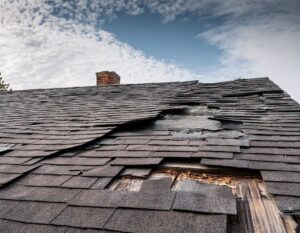
Wortham Brothers Roofing is a Dallas-area roofing contractor that has spent over four decades building a reputation for quality and reliability. Founded in 1986 by brothers David and Steve Wortham, the company grew from humble beginnings into a dominant player in new construction roofing for Texas home builders. “It all started with two brothers looking to support their families,” says Jake Wortham, current CEO and second-generation leader. Through steady growth and a focus on builder partnerships, WBR established a strong new construction presence in Dallas, Austin, San Antonio and beyond. Today, with Jake at the helm, the company remains family-run and committed to serving Texas for another 40 years, blending old-school values with modern techniques. In a highly competitive market, WBR’s longevity itself is a lesson: delivering consistent quality and customer service over time builds a trusted brand that even industry peers can admire. (Notably, many Texas contractors cite labor shortages as a top challenge, but WBR’s stable pipeline of projects and family culture have helped it attract and retain skilled crews for the long haul.)
Storm Restoration Roofing in Dallas: Preparedness and Integrity
In North Texas, extreme weather is a fact of life. Blistering heat, spring tornadoes, and especially hailstorms batter roofs regularly, making storm restoration roofing an essential service. Dallas-Fort Worth homeowners file more hail claims than almost anywhere—Texas accounts for roughly 20% of all U.S. hail damage claims. It’s no surprise that the average Dallas roof gets replaced every 8–10 years due to hail. When a major storm strikes, demand for roofing explodes overnight. Unfortunately, so does the influx of fly-by-night contractors – out-of-town roofers chasing quick profits. As industry veterans know, “after every storm, you will surely see out-of-town contractors with cheap roof replacement deals and unrealistic timelines… These companies disappear quickly and leave behind shoddy quality”. WBR has survived and thrived in this storm-prone market by doing the opposite: being prepared year-round and staying true to their word.
WBR’s storm-response strategy starts long before the storm. As the owner explains, their high volume of business affords them a full material yard stocked year-round. This means when a hailstorm hits and shingle supplies tighten, WBR can immediately mobilize crews with top-quality materials on hand. “No cheap old materials, no disappearing into the night, never to be heard from again,” the Worthams insist, emphasizing that they use only fresh, manufacturer-backed shingles even during post-storm shortages. By investing in inventory and logistics, WBR ensures they can perform emergency roof repair and roof replacements in Dallas with minimal delay, maintaining quality control even during a crisis.
Equally important is WBR’s emphasis on integrity and warranty in storm restoration. They offer a real 10-year labor warranty on their work – and critically, they’ve been around 40 years to honor it. This stands in stark contrast to pop-up roofers who might promise warranties and vanish. The lesson for contractors is clear: stand behind your work for the long run. A warranty is only as good as the company backing it, so building a business with staying power (through sound finances, reputation, and customer satisfaction) is key. WBR’s decades in business give both homeowners and insurance adjusters confidence that any issues down the road will be addressed. In the storm restoration segment, trust is a huge competitive advantage.
Another hallmark of WBR’s approach is guiding homeowners through the insurance claims maze. Storm damage claims can be stressful and confusing for clients, especially with today’s Dallas insurance challenges like high deductibles and complex paperwork. WBR acts as a partner in this process: “Our goal is to take the stress out of the process and be a trusted resource every step of the way,” the owner says. WBR project managers carefully review each client’s insurance scope, ensuring nothing is missed. They walk homeowners through options, whether completing all covered repairs, identifying code upgrades that insurance should pay for, or even finding legal offsets to help with deductibles. This hands-on claims assistance not only improves customer experience but also streamlines the job for the contractor – fewer surprises and supplement hassles. In an era when many Texas insurers are tightening coverage (often moving older roofs to actual-cash-value policies and raising deductibles), educating homeowners and advocating for them can set a roofer apart. WBR effectively becomes an advisor and advocate, not just a contractor – a role that builds deeper trust and often leads to referral business.
Key Takeaways for Contractors
In a storm restoration boom, don’t skimp on quality or ethics. Invest in your supply chain (even maintain your own yard if possible), so you’re not at the mercy of material shortages. Market your longevity and local roots to differentiate from storm-chasers. And consider the “high road” approach to insurance work – help customers navigate claims fairly, instead of exploiting their confusion. This approach can yield loyal customers and a sterling reputation in the community.

Material Trends in Dallas: Selling the Value of Class 4 Shingles
In a climate where roofs don’t last long, Dallas homeowners often opt for the most affordable roofing option – typically 3-tab or basic architectural asphalt shingles. WBR confirms that standard asphalt shingles remain the most common choice in the DFW market. However, the Worthams make a point to educate customers on upgraded materials, especially Class 4 impact-resistant shingles. “Asphalt shingles are the most common, with a strong suggestion to upgrade to the Class 4 impact resistant rated shingles,” their owner notes. “This is the sweet spot of value and performance,” because Class 4 products offer significantly better hail protection and can save the homeowner money in the long run.
Indeed, Class 4 shingles are a savvy upsell that benefits all parties. These shingles are engineered with resilient materials (often polymer-modified asphalt) to withstand hail hits without cracking. They carry the highest impact rating (UL 2218 Class 4), meaning they can survive a 2-inch steel ball drop in lab tests. For homeowners in hail alley, that durability is gold. Many insurance companies reward Class 4 roofs with premium discounts, often ranging from 20% to 28% off annually. Over the life of the roof, those savings can easily offset the higher upfront cost of upgraded shingles. WBR positions Class 4 shingles as a value investment: they protect the home better, last longer, and lower insurance bills. And when the next hailstorm comes, a Class 4 roof is less likely to need full replacement, which saves the homeowner a claim (and saves the insurer money too). Roofing contractors learning from WBR can consider emphasizing impact-resistant products not just as an upsell for profit, but as a win-win solution for the customer’s benefit. Educate clients about local insurance discounts (some Texas insurers offer anywhere from 5% up to 35% off premiums) and how avoiding one insurance claim by having a sturdier roof could save their deductible. This consultative, customer-centric sales approach builds credibility.

Beyond shingles, energy-efficient and sustainable materials are gaining interest in Dallas’s roofing trends. WBR notes that there are many new products on the market – “reflective shingles, solar-ready roofs,” etc. – but they approach these with a healthy skepticism. “There are many products in the roofing industry that over-promise and under-deliver,” the owner cautions. One example is solar panels. While solar is a hot topic in home improvement, WBR has observed issues when it comes to rooftop solar integration: panels often do not deliver the energy savings promised, and they introduce leak risks due to the many roof penetrations required. WBR’s pragmatic innovation philosophy is instructive: focus on fundamentals first. They stress that the most efficient thing homeowners can do is not wait too long to address roofing issues (a small leak fix today beats a big repair tomorrow). And during any new roof installation, WBR looks for “passive” upgrades that make a real difference: improved attic ventilation, better insulation, higher-quality underlayments, etc. These measures often outperform high-tech gimmicks in terms of cost-benefit, especially in the DFW roof repair context where budgets may be tight. The lesson for contractors is to vet new technologies carefully and prioritize proven methods to increase a roof’s longevity and performance. While it’s good to stay on the cutting edge, it’s even better to protect your client’s home with dependable solutions that won’t create new problems down the road. As WBR has found, sometimes the best customer service is advising homeowners when not to jump on a bandwagon (be it radiant barriers, spray-on coatings, or the latest solar shingle) if the ROI isn’t there. This honesty further cements your reputation as a contractor who truly has the client’s best interests at heart.
Quality Control and Safety: Building a Culture of Excellence
One of the most impressive facets of Wortham Brothers Roofing is its rigorous approach to quality control and jobsite safety. In an industry sometimes stereotyped by messy job sites or rushed workmanship, WBR has made safety and craftsmanship protocols a cornerstone of its operations. Their crews undergo regular safety training to stay current with OSHA standards and best practices. Every project has a dedicated project manager who visits the site multiple times a day to ensure everything is running safely, cleanly, and according to plan. This kind of oversight is not common at every roofing company – it requires extra manpower and commitment – but it pays off in fewer accidents and higher installation quality. Considering that roofing is inherently one of the most dangerous occupations (with a fatal injury rate of about 57.5 per 100,000 workers in the U.S.), WBR’s investment in safety training and supervision is not just altruistic, it’s smart business. Fewer injuries mean less downtime, lower insurance costs, and experienced crews who stick around. For fellow contractors, creating a safety-oriented culture (regular harness and fall-protection checks, daily safety briefs, etc.) is both a moral duty and a competitive advantage.
WBR’s post-installation quality control is another standout practice. After each roof replacement, “a dedicated Wortham technician conducts a thorough inspection, reviewing the crew’s work, taking detailed photos, and confirming that every aspect meets our high standards of quality and craftsmanship,” the owner shares. This step is essentially an internal punch-list inspection before the job is considered complete. The tech checks everything: from proper nailing and flashing installation to ensuring no debris or nails are left behind in the yard. By photographing the finished roof and critical details, WBR documents the quality – useful for both the customer’s peace of mind and for the company’s records (especially if any warranty claim arises years later). Such meticulous QA can catch minor mistakes (a missed seal on a vent, an improperly aligned shingle) before they become issues, saving headaches later. It’s a lesson that consistency and thoroughness are key to delivering top-notch roofing service. Many roofing outfits rely solely on municipal inspections (which in some areas might be very cursory) or skip formal final inspections altogether. WBR’s approach shows the value of having your own quality audit on every job, big or small. Not only does it ensure standards, but it also gives the salesperson or project manager solid evidence to show the homeowner that the job was done right – building trust and increasing the likelihood of referrals.
Moreover, WBR’s commitment to warranty-backed quality gives their team extra incentive to do things right the first time. Knowing that they provide a 10-year labor warranty, crews and managers are motivated to adhere to best practices to avoid call-backs. It creates a culture of accountability: cut corners today, and your own company might be fixing it for free down the line. By contrast, a contractor with no meaningful warranty (or one who subverts responsibility) might not have that internal pressure for excellence. The takeaway for contractors is to treat every job as an opportunity to showcase craftsmanship – implement a thorough QA process (even a simple multi-point checklist and final walk-through can do wonders) and instill pride in your crews for a job done right. Over time, this leads to fewer warranty claims and a reputation for quality that can justify premium pricing in the market.
Permit Compliance and Code Upgrades: No Shortcuts in Dallas
Roofing might take place high above the ground, but it’s solidly rooted in local building codes and permit regulations. The Dallas area, like most of Texas, has specific code requirements for roofing – from how the decking is nailed to what underlayments are required – all aimed at ensuring safe, long-lasting roofs that can withstand our weather. Wortham Brothers Roofing makes permits and code compliance a non-negotiable on every job. “Codes and permits are crucial in the contracting process,” the owner emphasizes. “We ensure all roofs meet the standards from the wood decking to the final shingle. If we find anything that doesn’t meet the current standards, we work with your insurance to make sure it covers the updates needed to bring it up to code.” This proactive stance means WBR doesn’t just slap new shingles on a potentially out-of-code structure; they address underlying issues (like adding proper attic vents, replacing rotten decking, or installing drip edge if missing) so that the finished roof meets today’s stricter standards.

For example, building codes now require drip edge flashing at eaves and rakes on shingle roofs – a feature not all older roofs have. When WBR tears off an old roof and finds missing drip edges or insufficient ventilation, they treat it as a required part of the job to upgrade to code, often getting insurance carriers to approve those items as part of the claim. This protects the homeowner and ensures the new roof’s warranty will be valid (many manufacturers and city inspectors will flag the lack of required elements). The broader lesson: never cut corners on code. It can be tempting for some contractors to ignore code updates to save time or money, but that’s a short-sighted strategy. Unpermitted or non-code-compliant work can lead to failed inspections, fines, or liability for the contractor. (In Dallas, a roof replacement almost always requires a building permit – skipping it can result in stop-work orders and even problems at resale.) WBR’s dedicated service team pulls a permit for every project, coordinating inspections with the local city. By “playing by the rules,” they protect themselves and their clients. It’s also a marketing point: an ethical roofer who follows permit compliance gives homeowners extra confidence in a world where some roofers still try to do jobs under the radar.
From an industry standpoint, WBR’s approach highlights an opportunity for professional contractors to differentiate themselves. Texas notably does not require a state roofing license, which is why fly-by-night crews can proliferate. But serious companies can voluntarily adhere to higher standards – joining reputable associations, obtaining voluntary licenses (like through RCAT), and always closing permits. By being sticklers about code, you not only avoid legal trouble, you also gain access to insurance funds for necessary code upgrades (via homeowners’ “Ordinance & Law” policy coverage) that less diligent contractors might leave on the table. WBR effectively monetizes their code knowledge: if a roof needs new flashings or thicker decking to meet code, they get paid for that work and the homeowner gets a better roof. It’s a win-win and it reinforces WBR’s image as a premium, trustworthy contractor. For peers, the takeaway is to lean into your knowledge of codes (keep up with local amendments and IRC changes) and educate customers on why these details matter. Be the roofer who tells a homeowner, “Yes, we need to do X to meet code and here’s why it’s good for you,” rather than the one who says “We can skip that to save a buck.” In the long run, integrity and compliance build a stronger business.
Customer Service and the “Repair-First” Philosophy
Perhaps the most refreshing insight from Wortham Brothers Roofing is their customer-centric business philosophy – something that goes beyond just marketing buzzwords. Roofing is often a one-time purchase for homeowners, and many contractors unfortunately adopt high-pressure sales tactics to push the largest job possible (usually a full replacement) whether it’s needed or not. WBR takes a very different approach, rooted in education and trust-building. “The best advice we can give any homeowner is to trust your gut and verify with your own eyes,” says the owner. They encourage homeowners to be informed and even to inspect their roof or attic alongside the project manager. WBR’s goal is “to earn your trust by making you feel confident and informed throughout the process.” This patient, consultative approach has earned them a trove of positive reviews and repeat customers, as the consistency of their service gets around via word-of-mouth.
A standout element of WBR’s customer service is what we might call a “repair-first” sales tactic. That is, they commit to not automatically upselling a full roof if a simpler repair can solve the problem. “While most roofers may automatically push for a full replacement, we’ll tell you what your roof actually needs,” the Wortham Brothers team explains. If a leak or minor damage can be fixed with a few hundred-dollar repair, they gladly recommend repair over replacement – even though the immediate revenue is lower – because it’s the right thing for the customer. “With over 40 years in business and a commitment to the next 40, we don’t believe in high-pressure tactics,” the owner says. “If a few-hundred-dollar repair can save you the hassle and cost of a full deductible, we’ll gladly recommend it. Because earning your trust and business for the long haul means more to us than just one job.” This is a powerful lesson for contractors: prioritize the customer’s best interest and play the long game. In roofing, especially in a storm-heavy market, a homeowner you treat honestly today will remember you when the big job eventually comes (or they’ll refer you to neighbors). WBR’s approach turns one-off service calls into lifetime relationships. They aim to be the homeowner’s “go-to roofing partner for this roof and the next four.”
In practical terms, this means WBR project managers present clear, transparent options for each situation. When diagnosing a roof, they’ll lay out: “Here’s what a repair would entail and cost, versus here’s what a full replacement would entail.” They explain the pros and cons of each, including how long a repair might extend the roof’s life, or whether multiple repairs might equal the cost of a new roof in the near future. By educating rather than selling, they empower the homeowner to make the choice – and often the homeowner ends up choosing WBR for the work, whichever path they go. This no-pressure sales strategy might sound counterintuitive to revenue growth, but WBR’s 40+ years of success suggests it actually drives more business. Customers truly appreciate a contractor who doesn’t try to scare or coerce them, and that goodwill translates into stellar online reviews, referrals, and community respect. For other contractors, adopting a customer education mindset can differentiate you in a crowded field. It also aligns with long-term sustainability – especially as insurance changes in Texas mean fewer “easy” insurance jobs, treating customers right to win their cash bid work will become even more important.
Future Outlook: Adapting to a Changing Roofing Market
When asked about the next five years, the Wortham Brothers team is optimistic yet realistic. They see their company’s new construction division continuing to grow steadily, as Texas’s housing market remains strong. Being a key installer for homebuilders provides a stable backbone for the business. But the reroofing market in Dallas is evolving, and WBR is already positioning itself for the changes. “With home values and deductibles on the rise, we feel we are in a prime position to offer homeowners a more affordable and better product than anyone out there – with a real company and a real warranty,” says the owner. This statement hints at a strategy of differentiating on value and legitimacy. Essentially, as insurance policies cover less, homeowners will bear more of the roof replacement cost themselves. Fly-by-night roofers who only thrived on easy insurance money will struggle, and many will leave the market. Contractors who remain will be those who can deliver top-quality roofs cost-effectively, and who can offer financing or other solutions to make major projects attainable for customers. WBR is preparing to be “the catalyst” in this new landscape: whether through competitive material pricing (leveraging their volume purchasing) or offering in-house financing programs to spread out payments, they aim to make it smooth and simple for homeowners to get a new roof even if insurance isn’t footing the whole bill.
This forward-thinking approach recognizes a key trend: Texas insurance costs are climbing (after a string of extreme freezes, large hail events, and even tornado outbreaks in DFW) and insurers are pulling back coverage for older roofs. Homeowners may increasingly face scenarios where only a portion of their roof replacement is covered, or none at all if they have an ACV policy on a 15+ year-old roof. The contractors who “win” in this environment will be those who can still close sales by offering flexible solutions. WBR’s model – combining a reputation for trust (so homeowners feel comfortable investing their own money), creative financing, and cost efficiencies – is one that other roofers can emulate. Also, by sticking to high standards and real warranties, WBR ensures that even if a customer pays out-of-pocket, they are getting maximum long-term value (no one wants to pay for a roof twice).
Finally, WBR’s future vision underlines the importance of community presence and credibility. Having served tens of thousands of customers across four Texas cities, they have built a brand that people recognize. In the coming years, they intend to leverage that trust to continue expanding their reach. For emerging roofing companies, it’s a case study in how investing in your brand and customer relationships can pay off decades later. Dallas roof replacement demand isn’t going away – roofs will always age and storms will always come. But the market is likely to reward those contractors who are well-run, customer-focused, and adaptive to change. Wortham Brothers Roofing exemplifies that formula. They combine old-school integrity (family-owned, no gimmicks, doing what they say) with forward-looking strategies (embracing new tech cautiously, understanding the insurance climate, and focusing on customer lifetime value).In summary, roofing professionals can learn a lot from WBR’s playbook: prioritize quality in every aspect (materials, installation, safety, inspections), treat customers like long-term partners rather than one-time transactions, stay on top of code and industry shifts, and be ready to pivot as the financial landscape changes around you. By doing so, you not only build a more resilient business for yourself, but you also elevate the reputation of our industry as a whole. In a field crowded with here-today-gone-tomorrow operators, companies like Wortham Brothers Roofing show that playing the long game – through integrity, expertise, and service – is ultimately the most rewarding strategy of all.